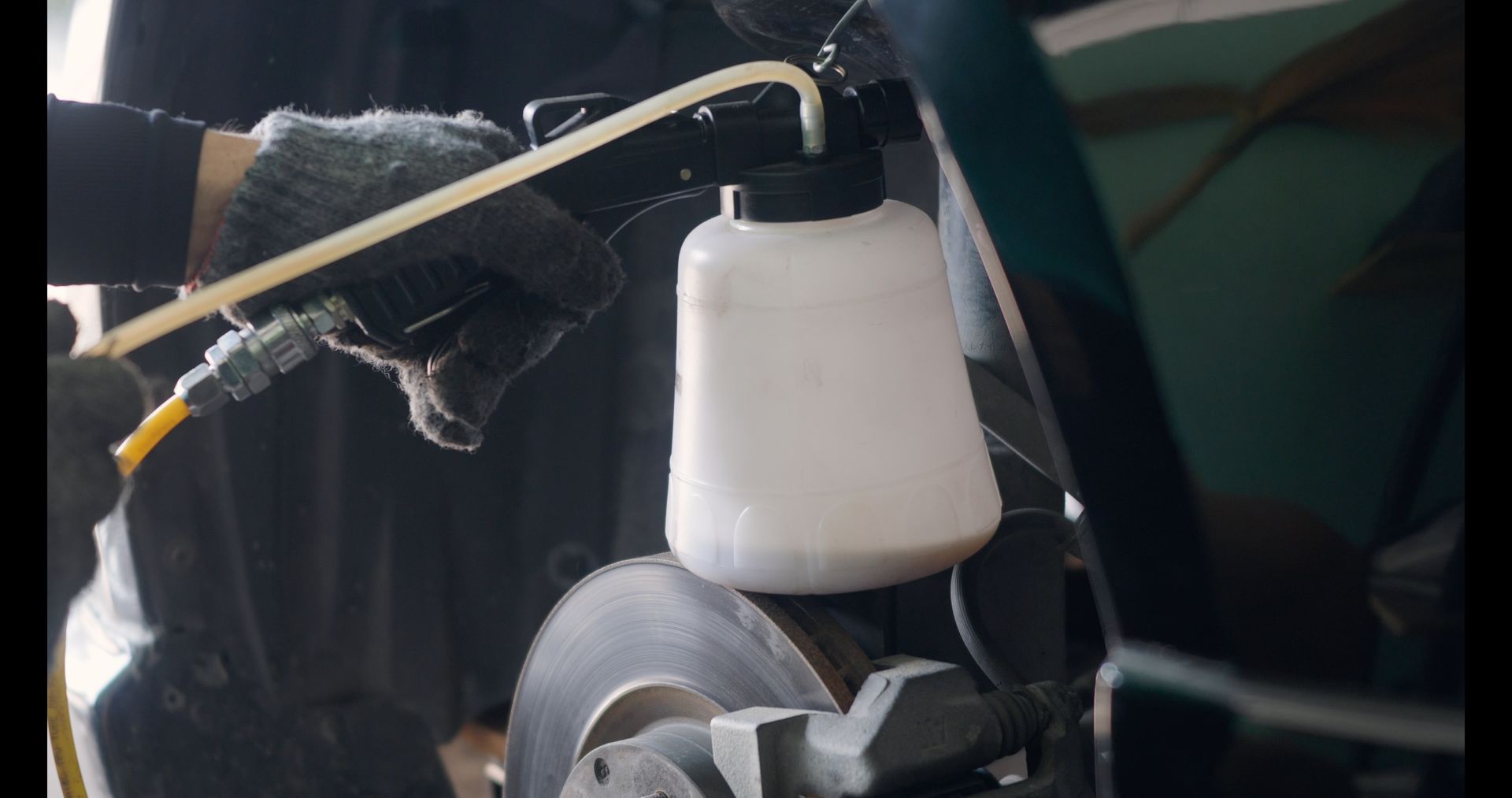
How does a brake fluid flush help? Len's Automotive in Bellevue, WA, explains moisture, fluid aging, and what the service includes.
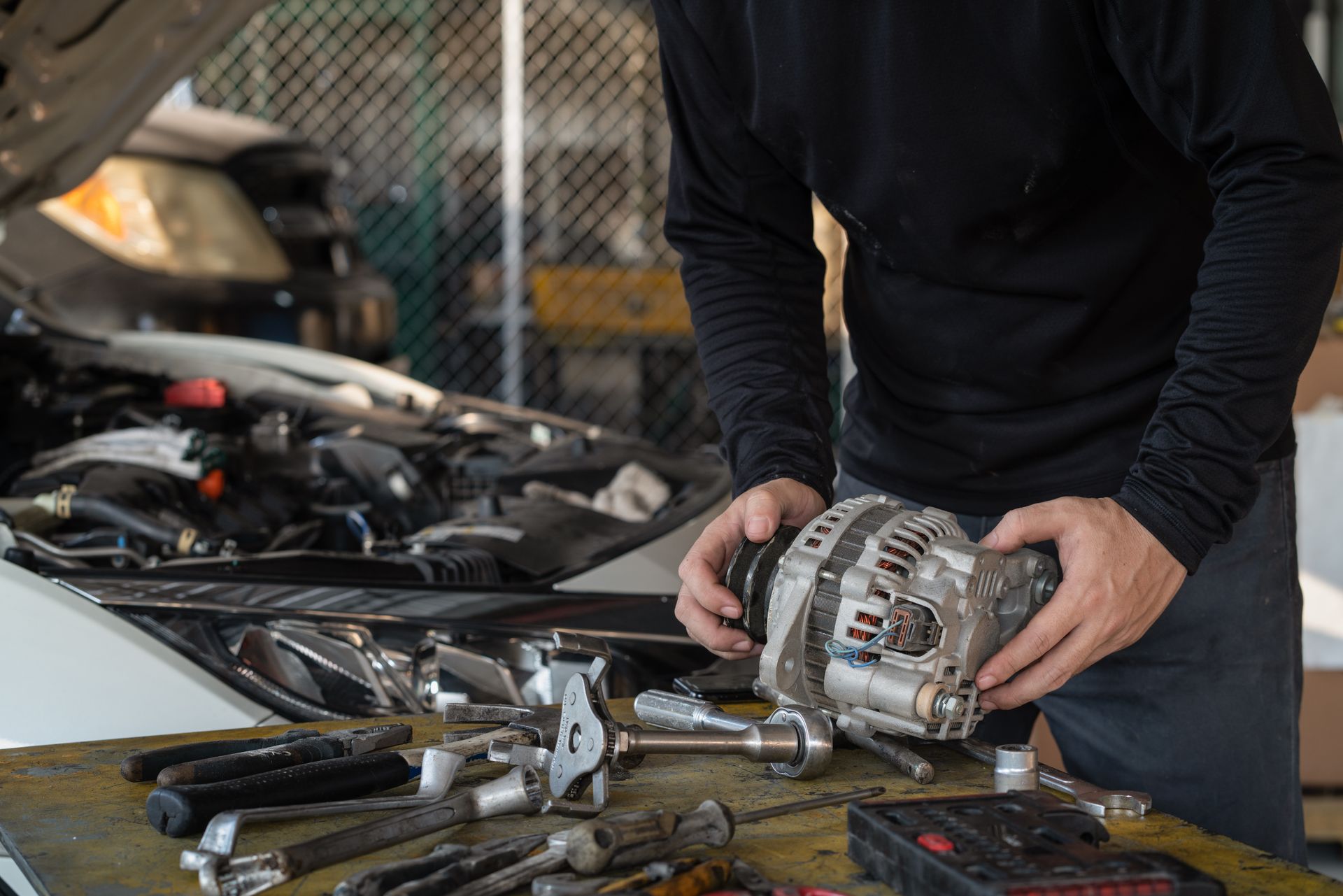
Len's Automotive in Bellevue, WA, explains how battery and alternator problems differ when a car struggles to start in the morning.
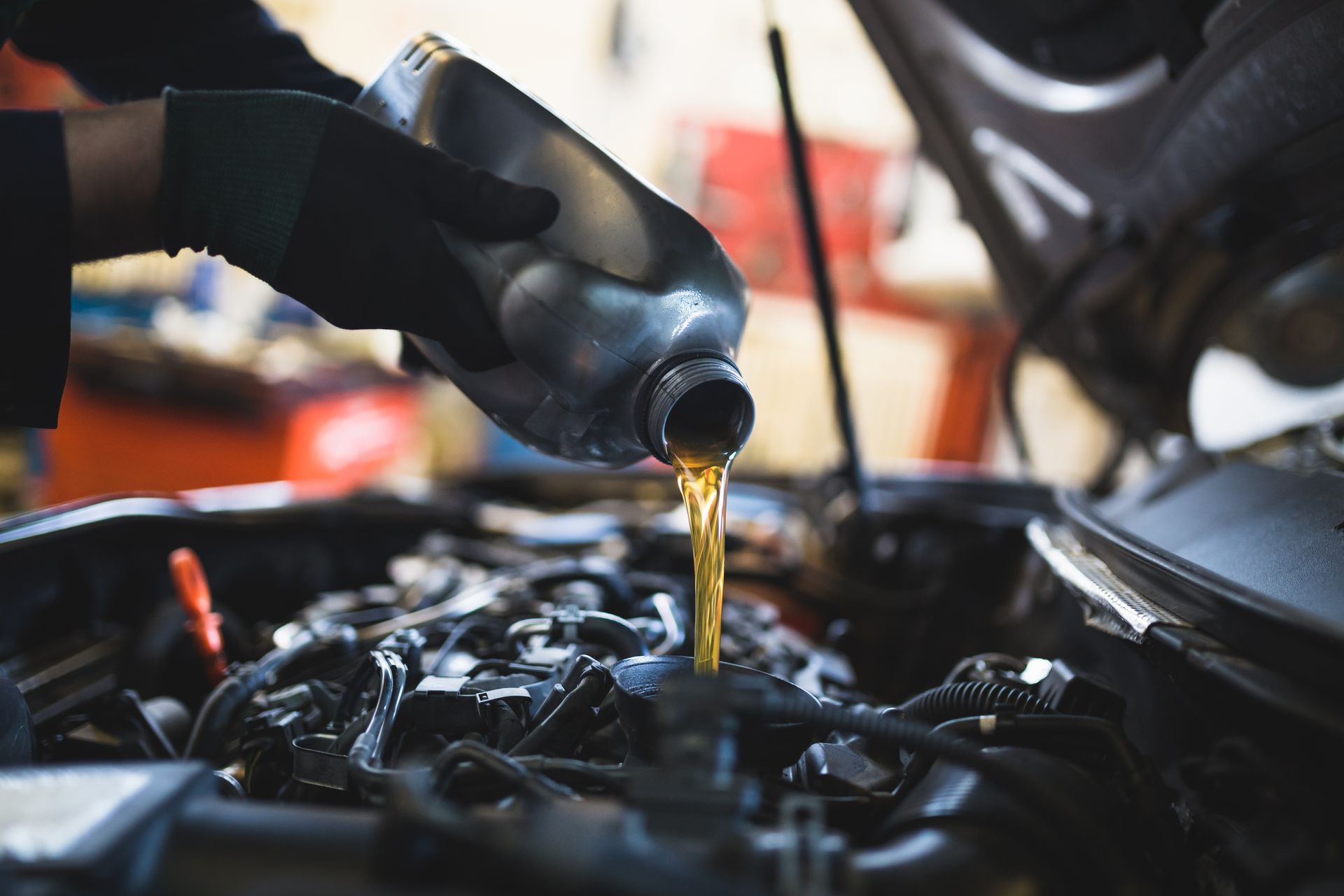
Len's Automotive in Bellevue, WA, explains whether an older vehicle really needs high-mileage motor oil.
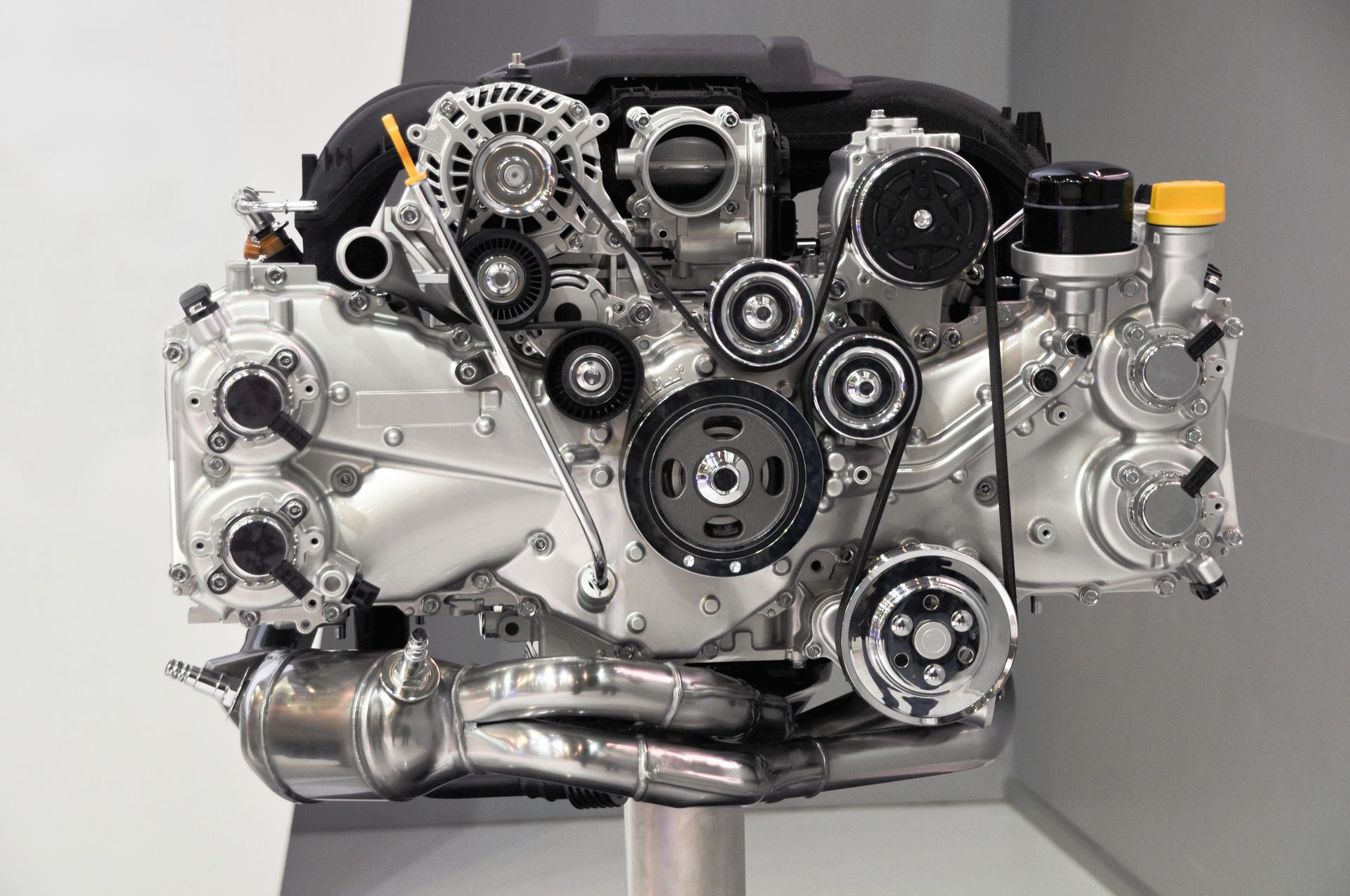
Len's Automotive in Bellevue, WA, explains when a vehicle's timing belt or timing chain should be replaced.
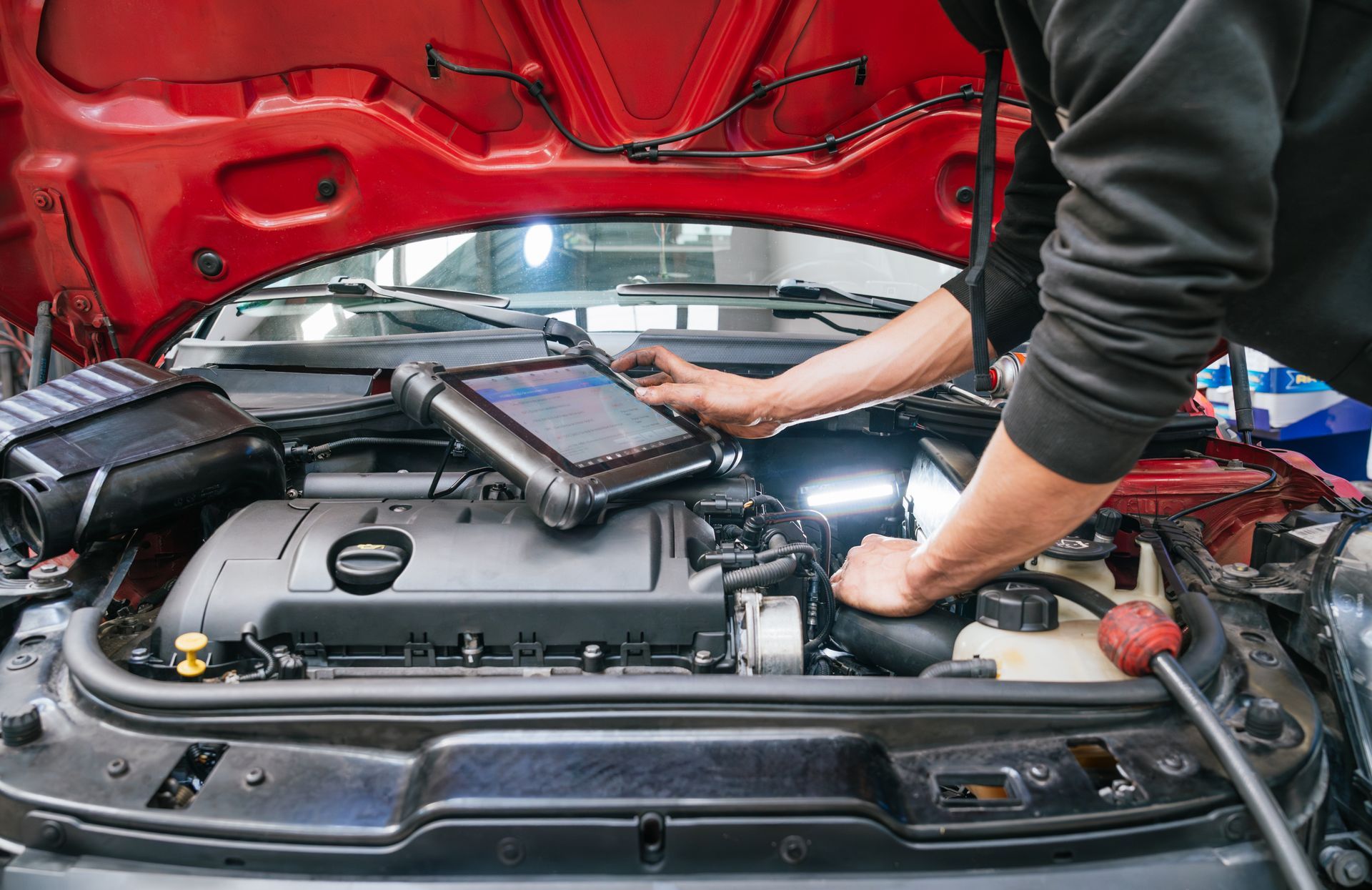
When your check engine light turns on or your vehicle isn’t driving quite right, you need answers fast. At Len’s Automotive, we offer trusted car diagnostics in Bellevue to help you pinpoint the problem and get back on the road with confidence. Why Accurate Car Diagnostics Matter Modern vehicles rely on complex electrical systems and onboard computers. When something goes wrong, the check engine light could signal anything from a loose gas cap to a failing sensor or major engine issue. Without proper diagnostic tools, it’s nearly impossible to identify the root cause. That’s why drivers in Bellevue turn to Len’s Automotive. Our team uses state-of-the-art diagnostic equipment to quickly and accurately interpret trouble codes, assess performance data, and perform hands-on inspections. This ensures we don’t just treat the symptom, we fix the actual problem. Fast, Reliable Service You Can Count On We know your time is valuable. Our ASE-certified technicians are trained to diagnose issues efficiently and explain your options clearly. Whether it’s engine trouble, transmission concerns, electrical glitches, or emissions-related problems, we provide honest answers and repair solutions that last. Common Issues We Diagnose Check engine light and dashboard warnings Engine misfires or rough idling Transmission shifting problems Battery, alternator, or starter issues Faulty sensors and wiring Fuel system and emissions problems Why Bellevue Drivers Trust Len’s Automotive Len’s Automotive has been a trusted name in Bellevue for over 30 years. We’re locally owned, committed to quality, and always prioritize transparency and customer satisfaction. When you bring your vehicle to us for diagnostics, you’ll get straightforward answers, not pushy sales tactics. Schedule Your Diagnostic Appointment Today If your vehicle is acting up or your warning lights are on, don’t wait. Let Len’s Automotive provide fast, trusted car diagnostics in Bellevue. We’ll identify the issue and recommend the right repairs, so you can drive away with peace of mind. Contact us today to schedule your diagnostic service and experience the Len’s Automotive difference.
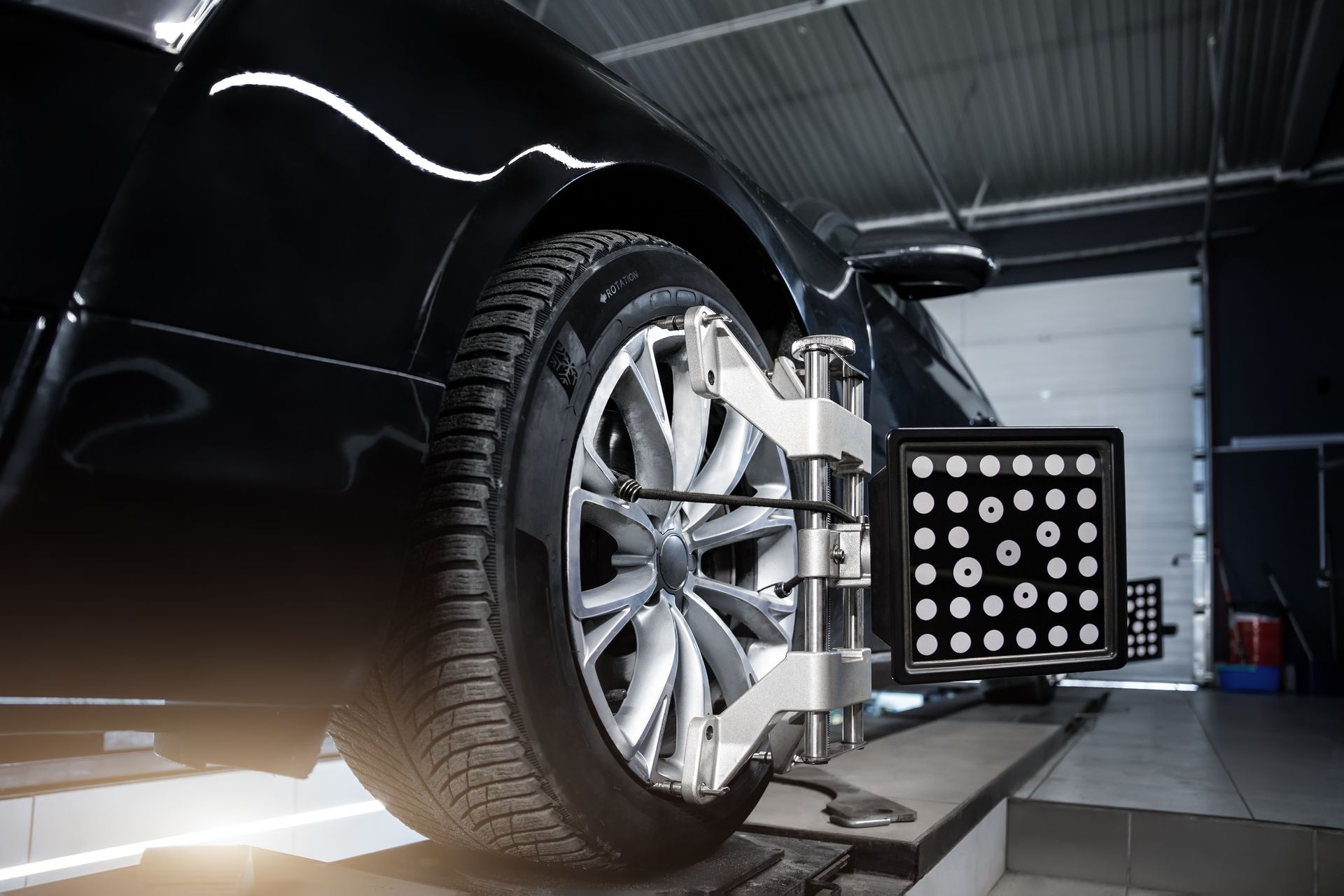
When it comes to vehicle maintenance, regular wheel alignments are often overlooked. But this simple service can make a big difference in how your vehicle handles, how long your tires last, and how safe you are on the road. At Len’s Automotive in Bellevue, WA, we help drivers protect their investment and drive with confidence by offering expert wheel alignment services. What Is a Wheel Alignment? A wheel alignment adjusts the angles of your car’s wheels so they meet the manufacturer’s specifications. This includes camber, toe, and caster angles, which affect how your tires make contact with the road. Even slight misalignments can cause uneven tire wear, poor handling, and increased fuel consumption. How Wheel Alignments Extend Tire Life Poor alignment puts unnecessary pressure on your tires, causing them to wear out faster on one edge or side. Over time, this leads to bald spots, reduced traction, and the need for premature tire replacements. By keeping your wheels aligned, you promote even tire wear and get the most out of your investment. How Wheel Alignments Improve Driving Safety Proper alignment helps your vehicle drive straight and respond predictably. Misaligned wheels can make your car pull to one side, especially during braking or cornering, increasing the risk of accidents. Regular alignments ensure stable steering, consistent control, and better safety, especially on wet or icy Bellevue roads. How Often Should You Get a Wheel Alignment? At Len’s Automotive, we recommend checking your alignment at least once a year or whenever you notice signs like: Uneven or rapid tire wear Steering wheel off-center Vehicle pulling to one side Vibrations in the steering wheel Schedule a Wheel Alignment in Bellevue, WA Protect your tires, improve your fuel economy, and stay safer on the road with regular wheel alignments. Len’s Automotive offers precision alignment services using the latest equipment to keep your vehicle in top shape. Contact us today to schedule your appointment and drive with confidence.
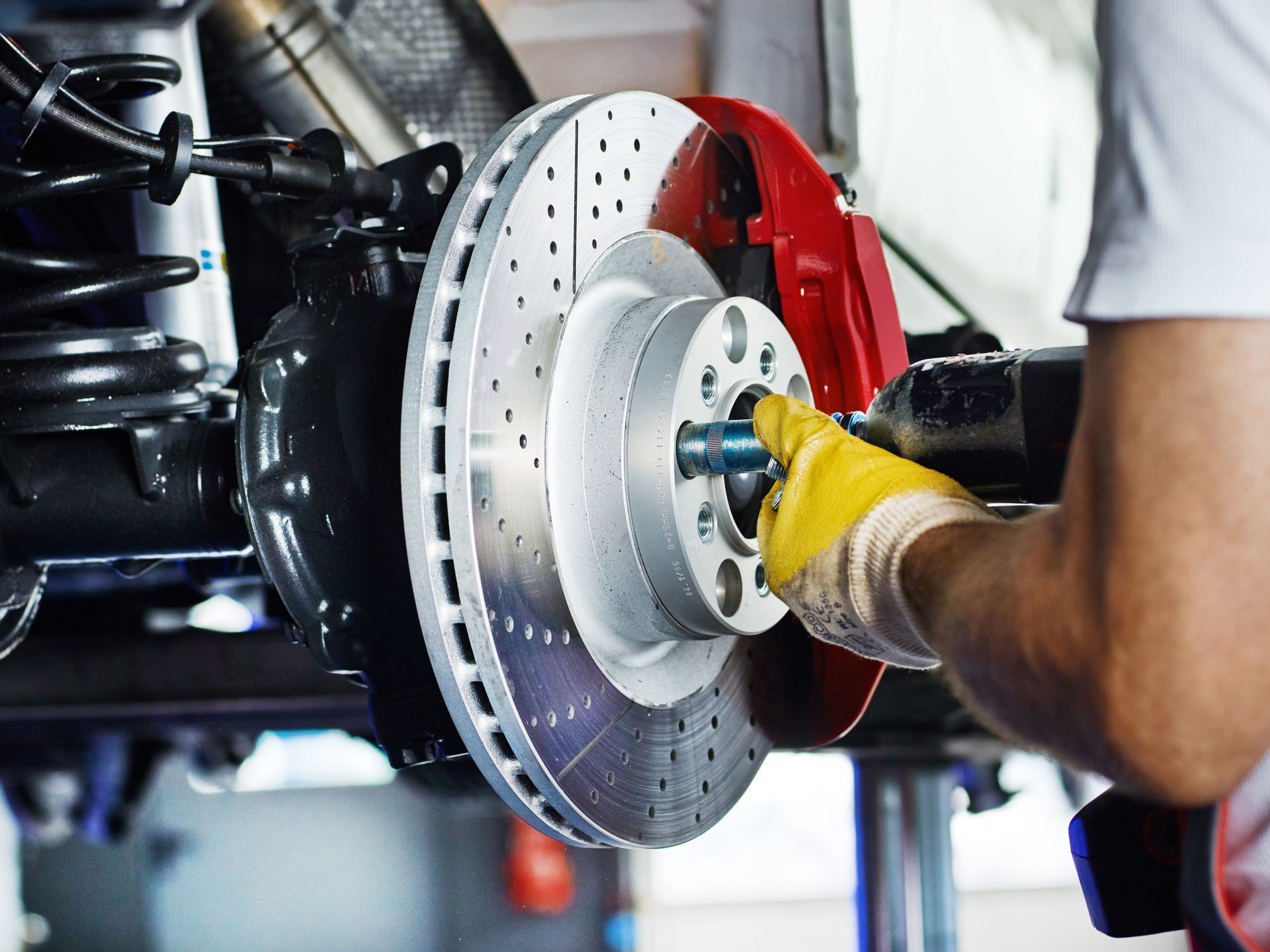
Your vehicle’s brakes are one of its most critical safety components. If they aren’t performing properly, you’re putting yourself and others at risk. At Len’s Automotive, we offer top-rated brake repair in Bellevue to keep your vehicle safe and responsive on the road. But how do you know when it’s time for a brake inspection? Signs You Need Brake Repair Brakes wear gradually, which makes it easy to miss the warning signs. Here are some of the most common indicators that your brakes need attention: Squeaking or grinding noises Vibrations when braking Longer stopping distances Brake warning light on dashboard Spongy or soft brake pedal Pulling to one side while braking If you notice any of these symptoms, it’s best to have your brakes inspected right away. Ignoring the issue can lead to more expensive repairs or dangerous situations. What to Expect From Our Brake Services At Len’s Automotive, we inspect every component of your brake system, including pads, rotors, calipers, brake fluid, and lines. Our ASE-certified technicians will identify any wear or damage and recommend the right solution, whether it’s a simple pad replacement or a full brake system repair. We use quality parts and offer honest service, so you never have to second-guess your safety or your investment. Why Bellevue Drivers Trust Len’s Automotive With decades of experience serving the Bellevue community, Len’s Automotive has earned a reputation for transparency, integrity, and top-quality work. Whether you’re commuting daily or planning a road trip, you can count on us to keep your brakes in peak condition. Schedule Brake Repair in Bellevue Today Don’t wait until it’s too late. If your brakes are showing signs of trouble, let Len’s Automotive provide a thorough inspection and reliable repair. We’ll get you back on the road safely and confidently. Contact us today to schedule your brake service in Bellevue, WA.